
Lighting the Photographs of Jeff Wall at the Museum of Contemporary Art Toronto (MOCA)
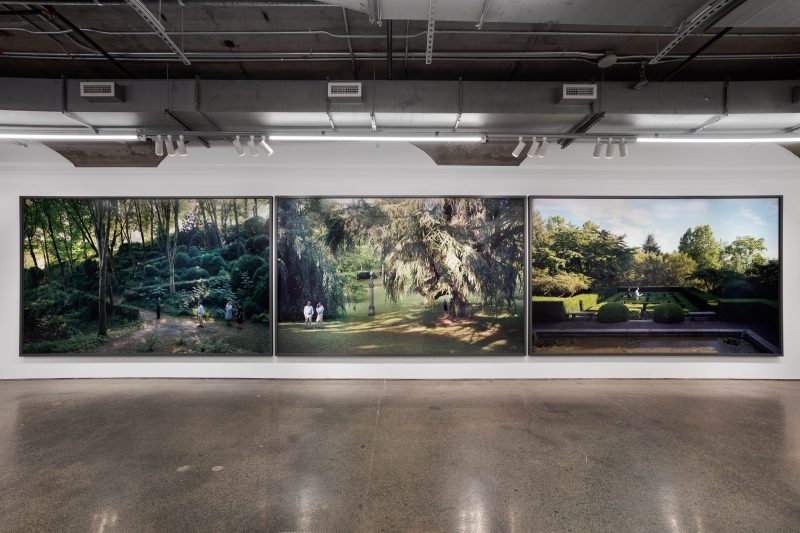
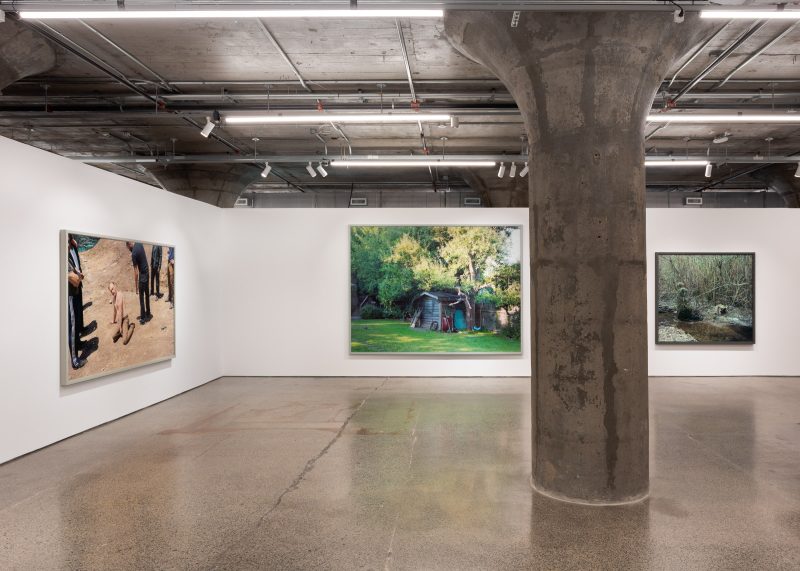
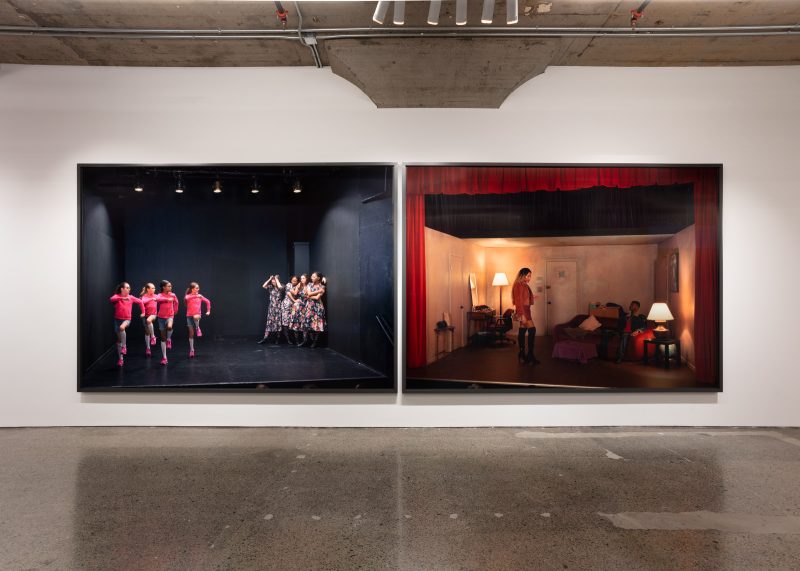
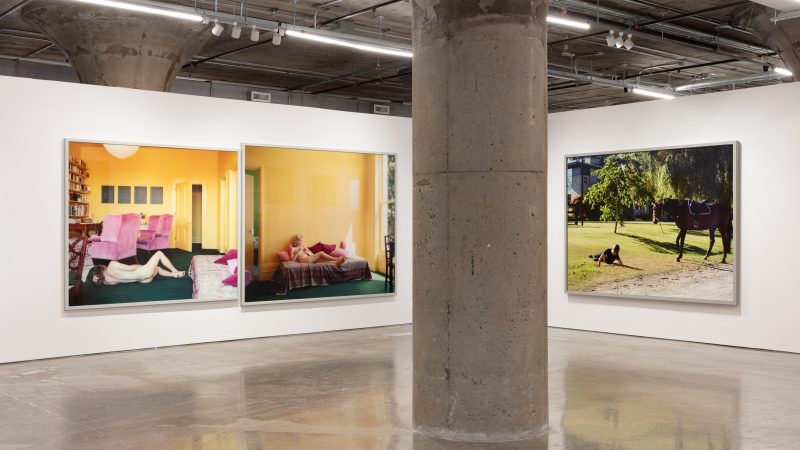
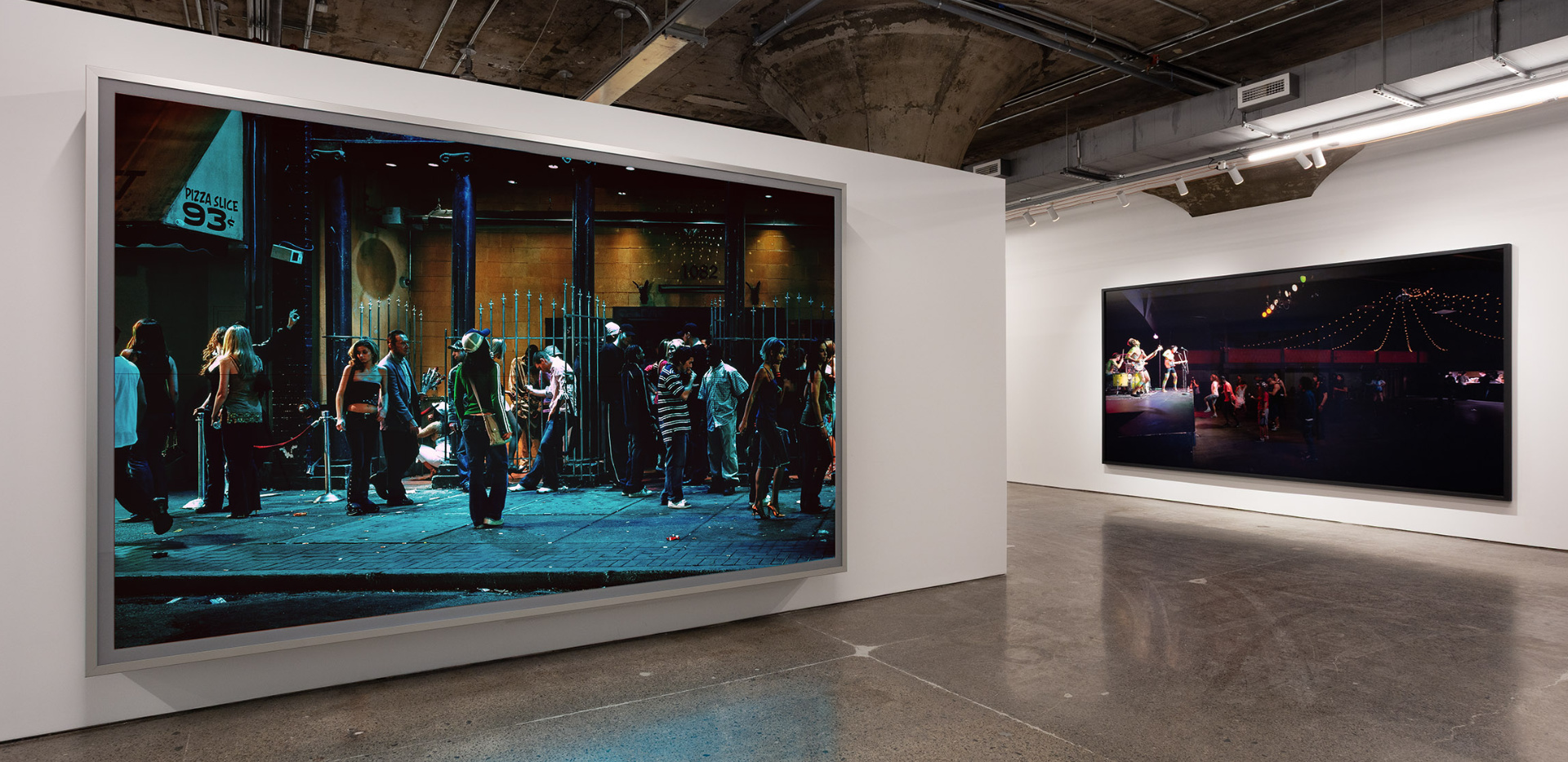
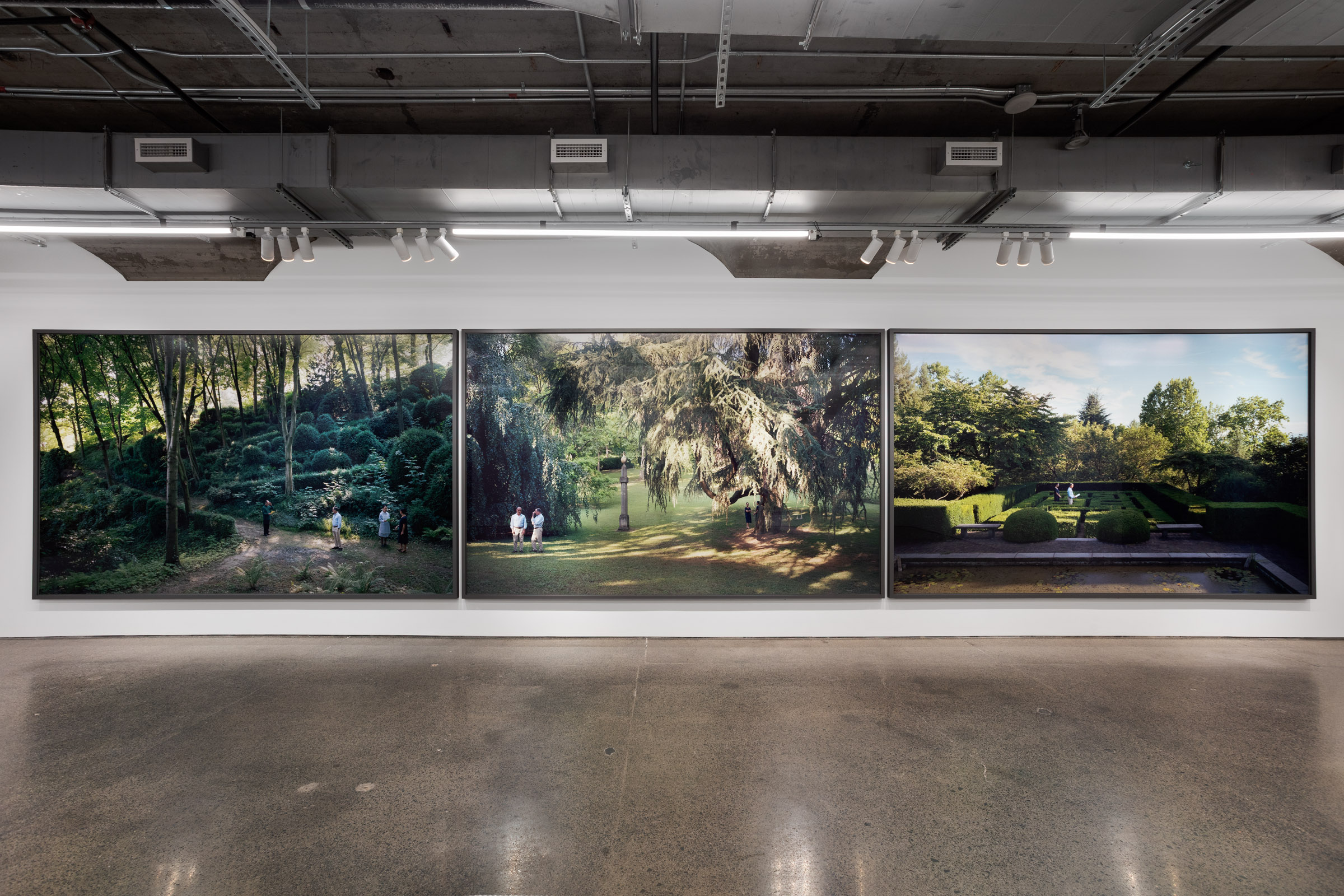
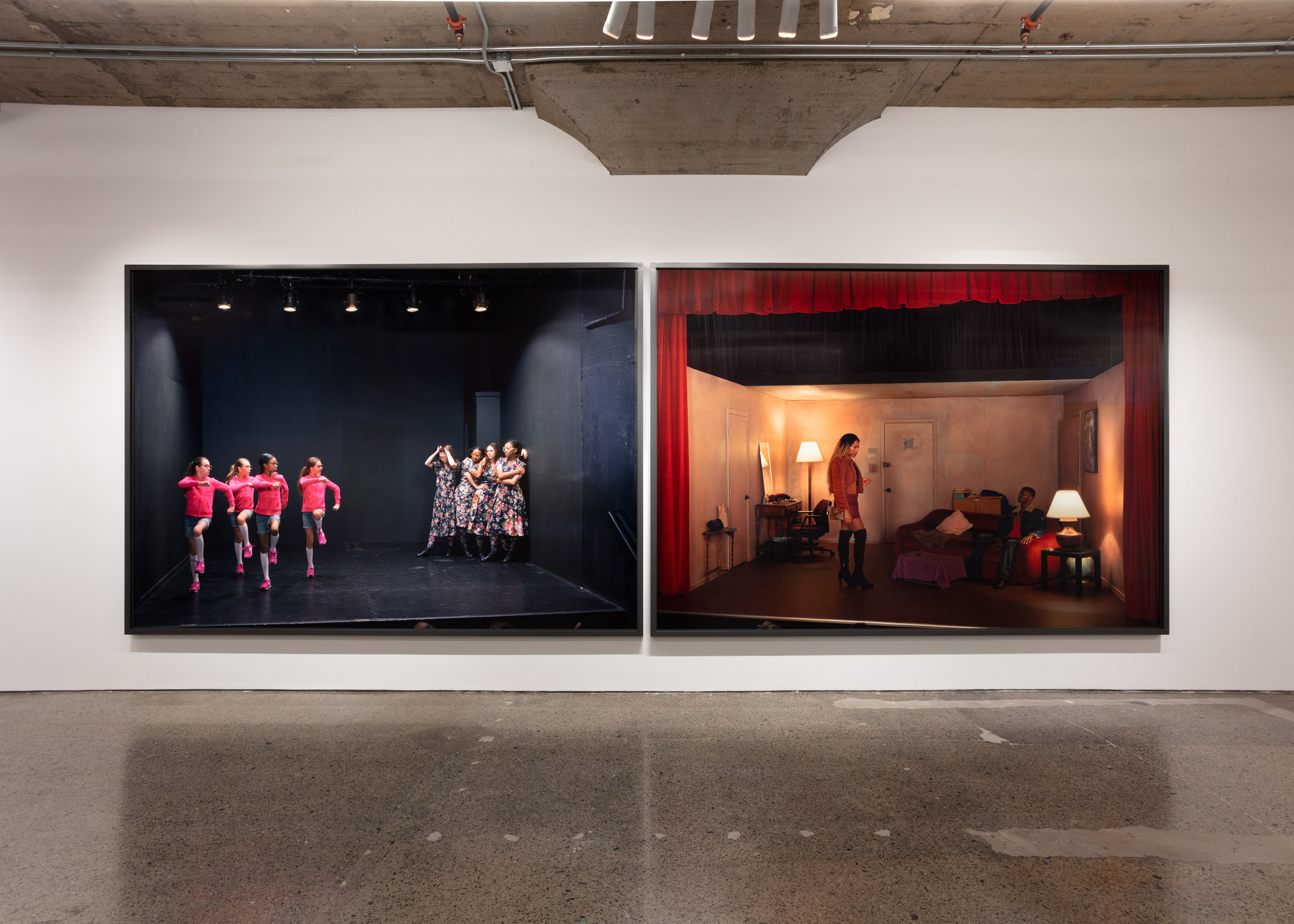
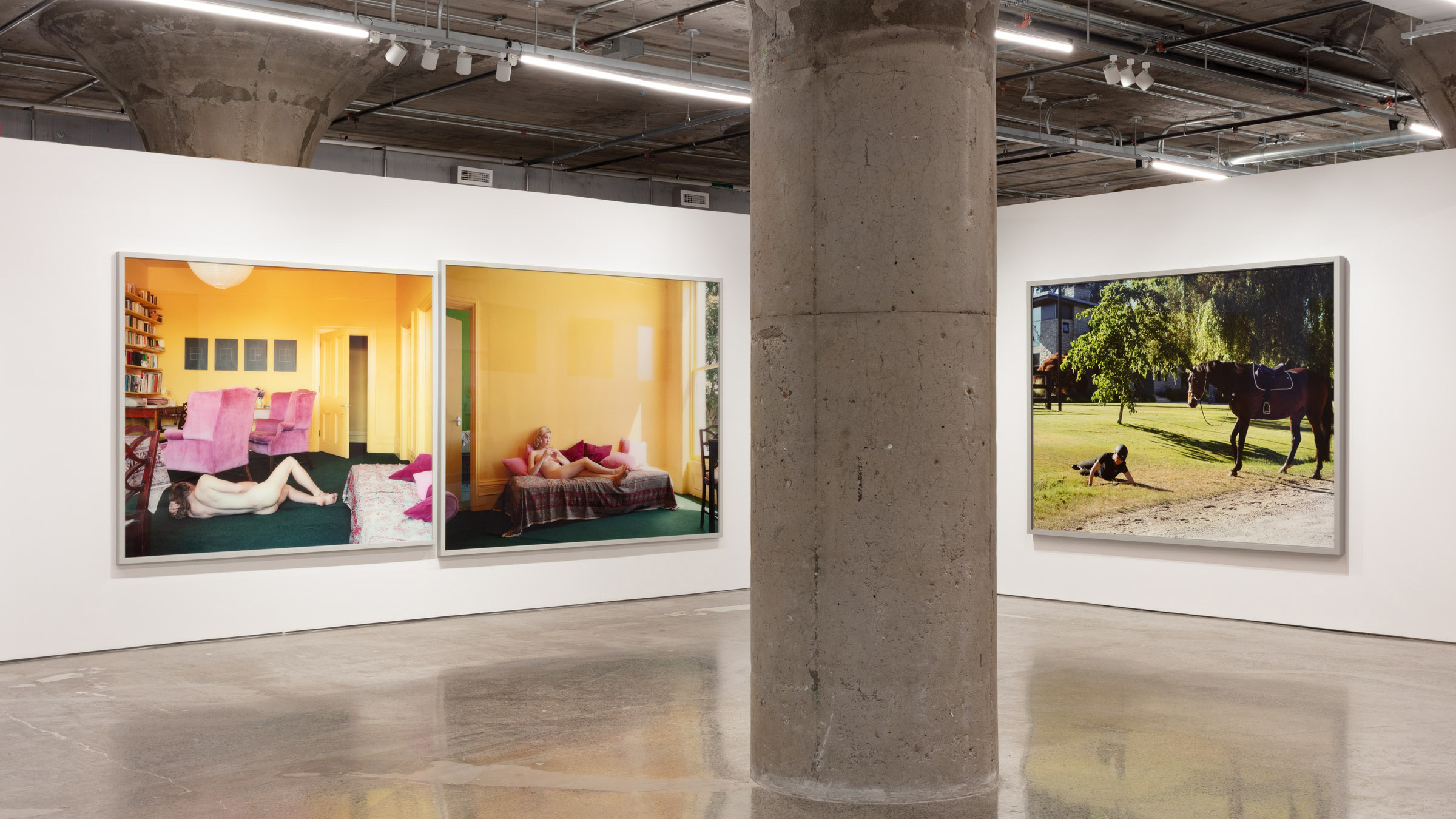
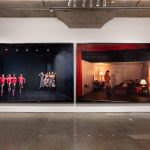
Toronto’s Museum of Contemporary Art lit its flagship exhibition, Jeff Wall Photographs 1984–2023, entirely with Lumicrest luminaires: Apturi III Gallery track lighting and LED Gallery Tube Lights, across all three floors. Running October 19, 2025 to March 22, 2026, the survey was Wall’s first major Canadian exhibition in over 25 years, drawing together four decades of work by one of the country’s most influential living artists.
Wall is internationally celebrated for his large-scale, cinematically staged photographs, with images drawn from everyday life, painting, and art history, and above all for his signature backlit lightbox transparencies. That made MOCA an unusually demanding lighting environment: Wall’s self-illuminated lightboxes shared the galleries with large reflective colour prints, a mixed-luminance challenge where gallery light must reveal the reflective works without washing out the transparencies, and the boxes’ own glow must not distort colour rendering on the prints beside them.
Virtually all of MOCA, lit by Lumicrest: With nearly 500 luminaires across three floors, MOCA has trusted Lumicrest for substantially all of its gallery lighting, placing it alongside the Royal Ontario Museum, the Art Gallery of Ontario and TMU Image Centre among the Toronto institutions which Lumicrest illuminates.
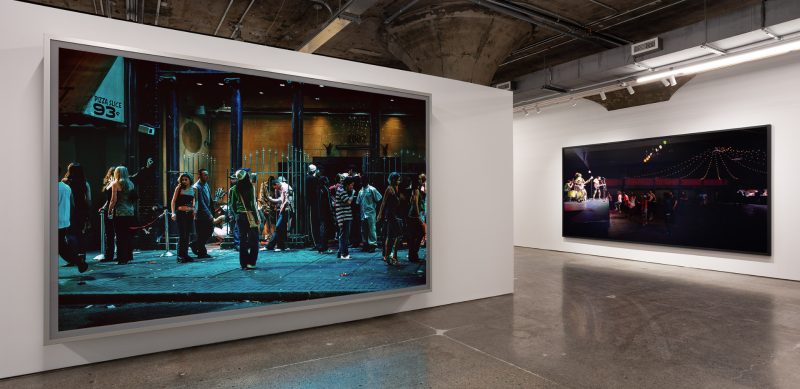
The Right Light
“Lumicrest is one of the few lighting companies that truly understand the unique requirements of art gallery lighting. We especially love their full-spectrum LED Gallery Tube lights because they create that ‘flat’ contemporary gallery look, with excellent colour rendering.”
“We’ve been working with Lumicrest for years, and keep coming back to them because of the quality of light, the quality of the products, and their outstanding service.”
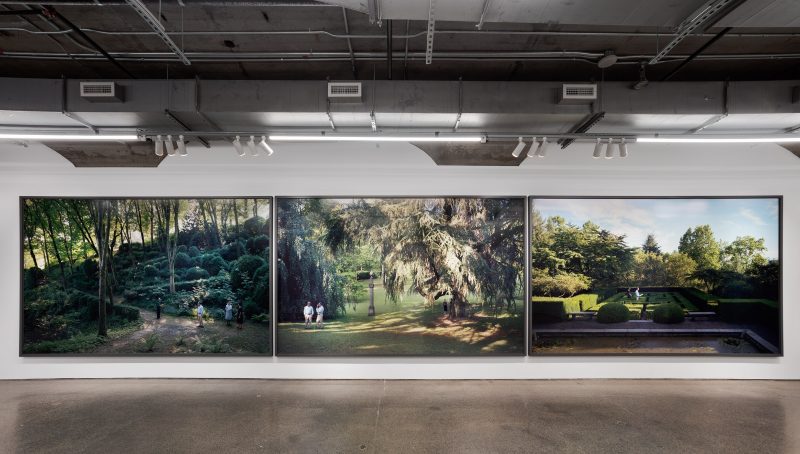
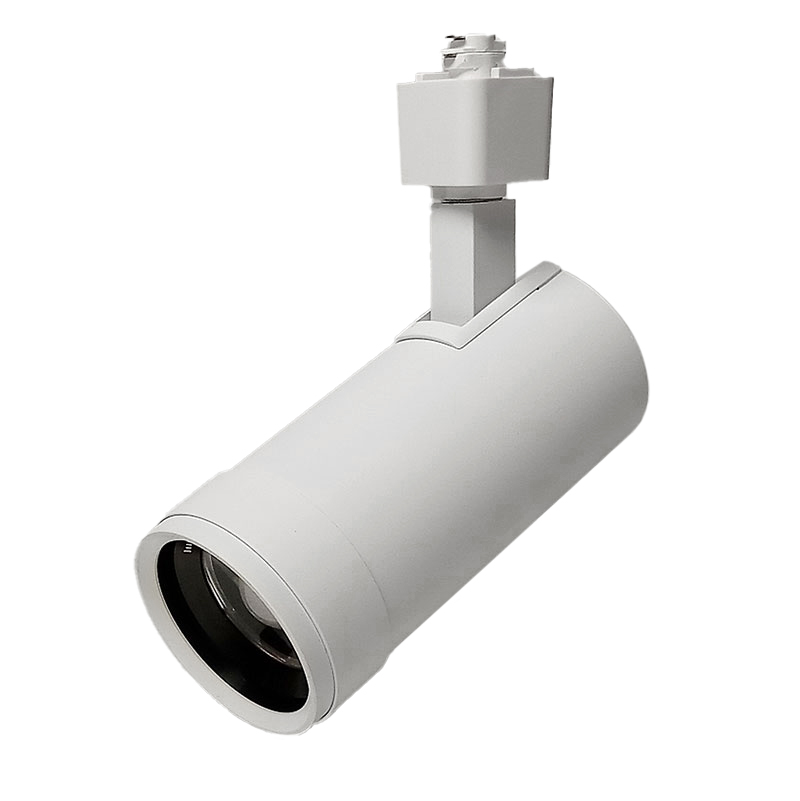
The Apturi III is a premium gallery and museum fixture with high-grade adjustable optics and 97 CRI colour rendering. With fully adjustable beam angles and onboard per-fixture dimming, MOCA staff could quickly and precisely fine-tune each work and balance gallery light against the works’ own internal illumination in the mixed-luminance rooms. Each fixture delivers 1,400 lumens of rich, accurate light, with strict colour-variance control so every unit matches across spotlighting, wall washing, and dimming.
Gallery professionals, photographers, and visitors alike noted the clarity of the light and the consistency of the colour rendering across the show.
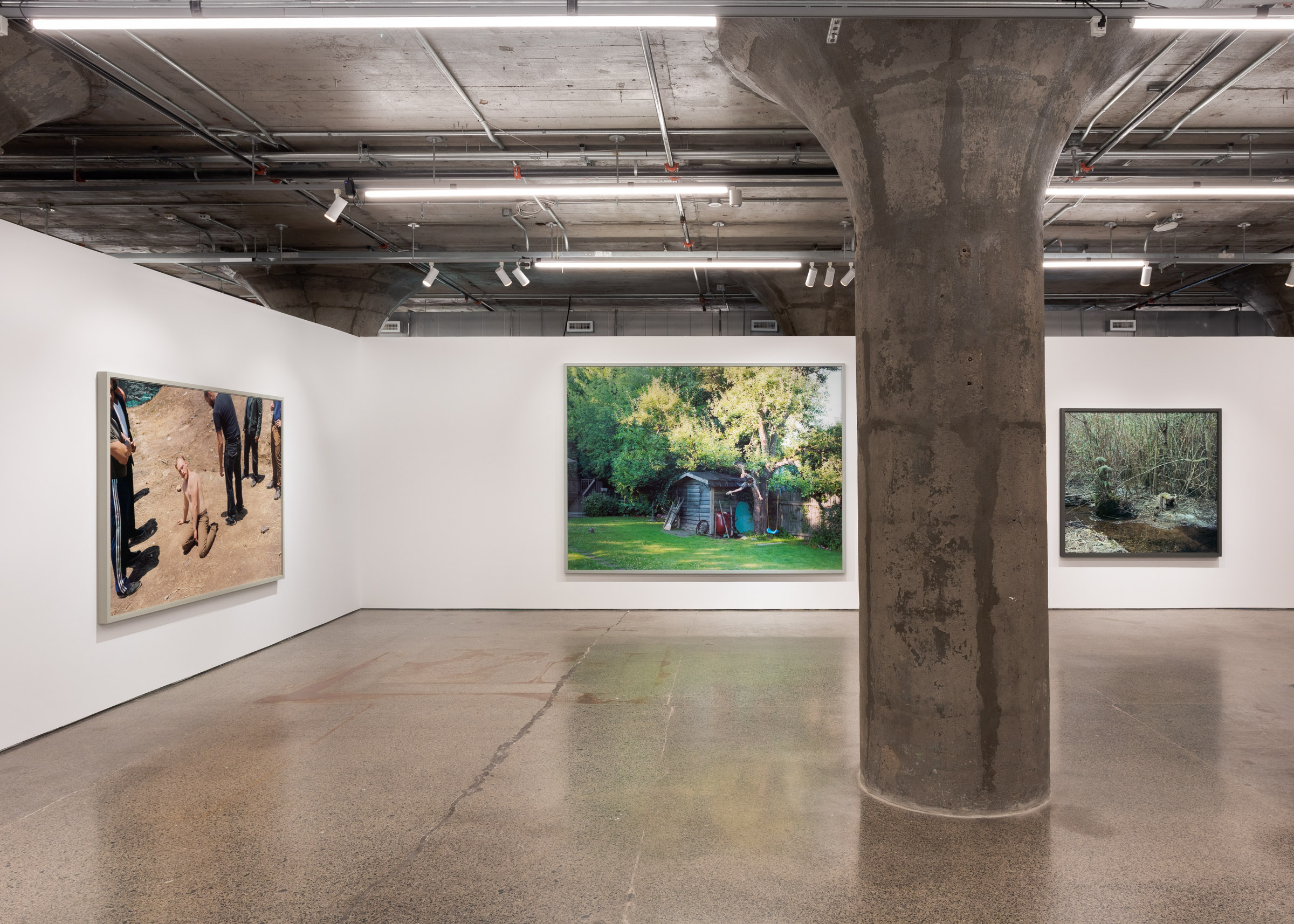
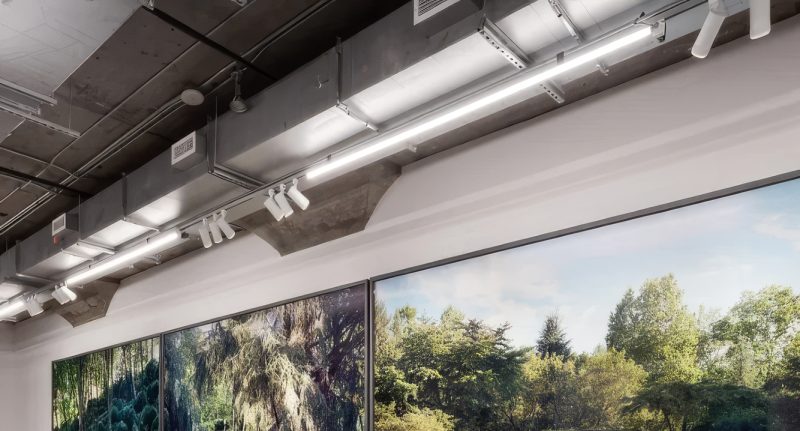
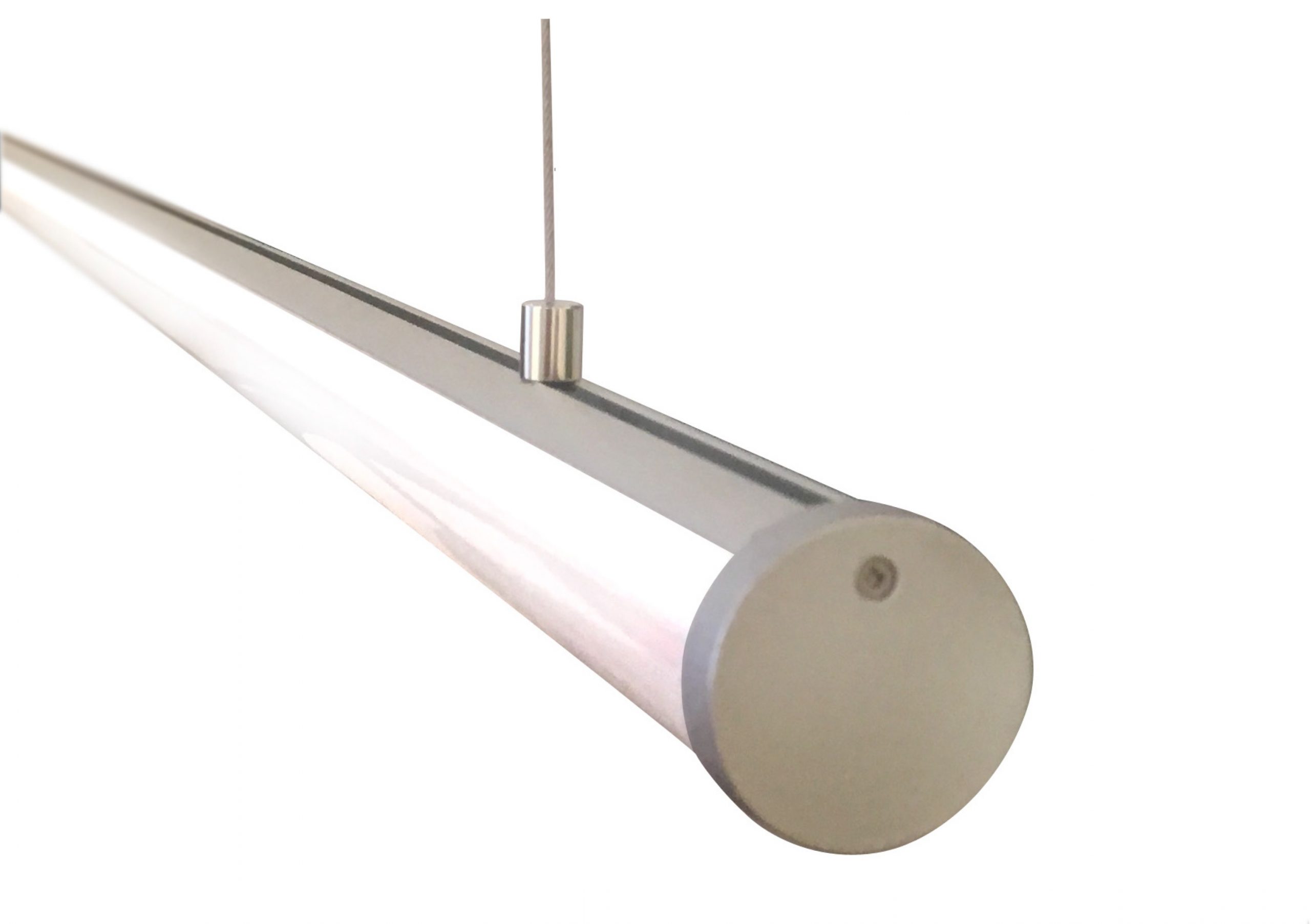
The LED Gallery Tube filled MOCA’s wide gallery spaces with uniform, high-accuracy light: the flat, contemporary-gallery wash Warren Harper describes. This 2.5-metre bar delivers over 2,800 lumens at 3000K and 97 CRI.


Our veteran lighting expert David covers the details of our Apturi III track light.
Consult with a Gallery and Museum Specialist
We don’t just sell fixtures, we solve lighting challenges at every level. Whether you are planning a new permanent gallery or a temporary traveling exhibition, our team provides:
Get your expert guidance for the perfect lighting plan:
Contact Us
Need more information? Have a question? Looking for something you don’t see?
We’re here to help. Our lighting experts are here to assist you with your lighting needs. Give us a call, or fill out the contact form and we will respond to you as soon as possible!
Reach us by phone at 416-479-0132, or toll-free at 1-877-910-1011
Need to send a fax? The number is 416-479-0058
Experience True Colours with High CRI Lighting
CRI is a measure of how complete and accurate the colour spectrum is in a beam of white light, and how well colours will be represented when illuminated by that light. The higher the CRI the better.
LED lights typically found in big box stores typically have a CRI of around 80 or sometimes 90.
A CRI above 90 is considered the minimum for use in an application where accurate colour rendering is a required, such as in art galleries, museums or retail apparel displays.
So if it’s important to you that all the colours in your art, furniture, retail displays etc. be vibrant and fully visible, then you want the highest CRI possible … Continue reading
Apturi III: All luminaires in the Apturi III family are beam-adjustable, which means you can adjust them at any time from a 10° spotlight to a 60° wall-wash floodlight. No changing lenses, Apturi III lets you do it with a flick of the wrist.
For lights with a dedicated beam angle such as Modulux, please see the video below for selecting the lens:
When to choose a wide beam lens and when to choose a narrow beam lens? This video helps you understand the differences and make the best choice.
As well, this handy Beam Angle Calculator helps you determine the spread of different beam angles and positions for your light fixtures.
Need to change the lens on a Lumicrest LED light? Watch this short video on how to swap the lenses on Lumicrest LED lights.
Need more help? Contact us at 416.479.0132 or through our contact form and let us know what you’re trying to achieve. We’re glad to help!
The “colour temperature” of any white light indicates the shade of white.

Very Warm White – Warm White – Soft White – Natural Soft White – Natural White – Pure White – Cool White
(actual colour may vary due to screen settings, best to see in-person)
“Warm white” generally means a yellow-ish type of white, and “cool white” means a blue-ish kind of white. Somewhere in between lies “daylight white”, which is pretty much the whitest kind of white. Cool, warm and daylight are pretty imprecise terms though. A more accurate system indicating the tint of the light is called the colour temperature, or Correlated Colour Temperature (CCT).
A standard incandescent lightbulb is rather yellowish at about 2,700K and a normal halogen is slightly “cooler/whiter” in color, about 3,000K.
For interior lighting in homes, especially in the Western world we have grown accustomed to incandescent and halogen lighting, so we have a comfort with the “warm” colours they produce.
In more industrial settings, and for higher intensity lighting ie. “high bay” lighting, higher color temperatures of 4,500 to 5,000K are accepted. Metal Halide lights (HID) have traditionally been employed for this application, but of course LEDs are now available to do this job more efficiently.
Some specialty applications such as jewelery case lighting often use “cool” bluish lights of 6,500K or higher, in order to accentuate the sparkle and clarity of diamonds, silver and jewels.
Integrated Track Heads are mainly 3000K (as it’s the most popular CCT).
2700K is similar to the color of a regular incandescent or halogen light, which looks a little yellow or “warm”. 3000K is a little bit more white, but is still in the “warm” range. 4000K is approaching sunlight colour temperatures, but still a bit on the warm side. …Continue reading